
About this video
Important for parents with a family history of bipolar disorder: if mom, dad, or grandparent has bipolar, screening your teen is smart prevention — not paranoia. Early detection + correct treatment is lifesaving. Free 2-minute family-friendly screen: chctherapy.com/mental-health-tests. MentalSpace S
Generated from MentalSpace School: Georgia K-12 Mental Health and Compliance Guide
#MentalSpaceSchool #SchoolMentalHealth #K12Wellness
Transcript
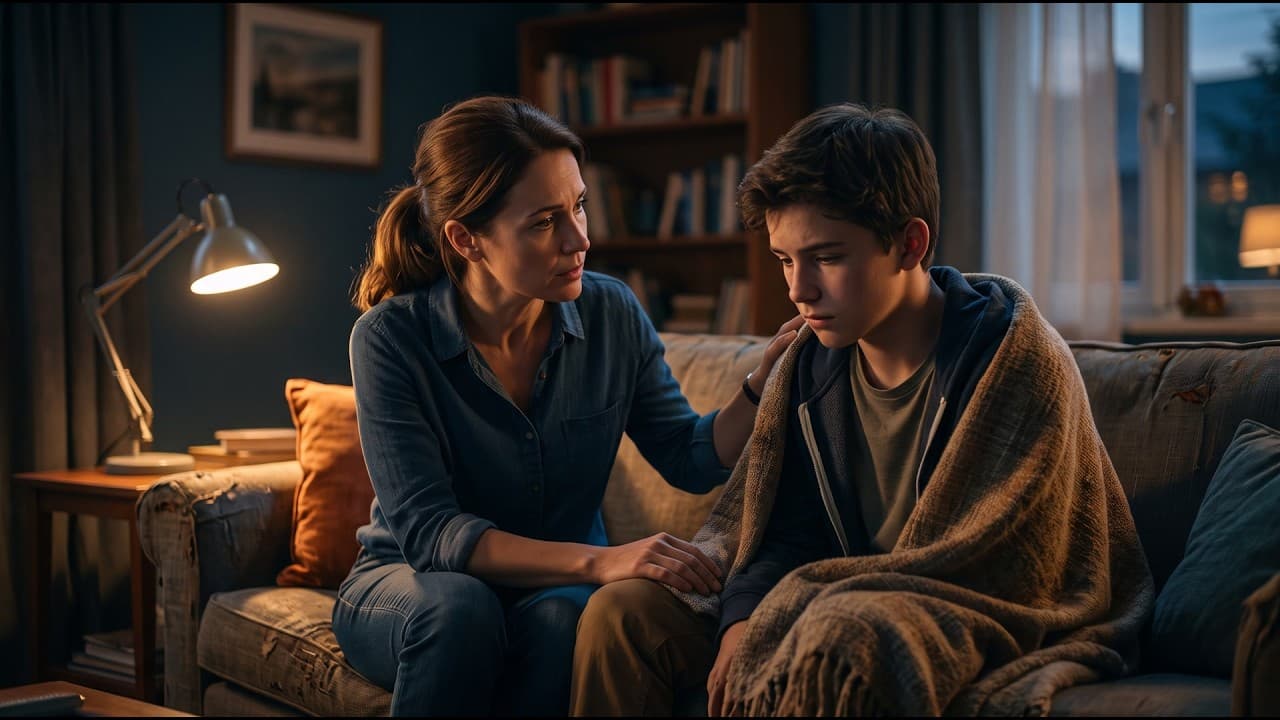
All right, let's jump right in. We're going to talk about something really important today, especially for families who have a history of bipolar disorder, and that's how do you spot the signs in teenagers? Now, the goal here isn't to make anyone worry. It's about getting clear answers and figuring out the best way forward. So, let's kick things off with a concern that I mean, I know so many parents have struggled with, especially when you're navigating those wild teenage years. You see the mood swings, right? these big periods of incredible energy where their thoughts are racing and they're almost euphoric and then boom, they crash into this deep sadness and irritability and you find yourself asking
this very question. Is this just normal teenage stuff or is there something more going on? You know, that's a totally fair question and we're going to dig into the answers right now. And here's the absolute bottom line. If bipolar disorder is part of your family history, say a parent or a grandparent has it, then being proactive about this isn't you being paranoid, not at all. It's just smart, responsible prevention. It's about using the information you already have to protect your kid's future. But what happens if you get this wrong? Well, it could have some really serious consequences. So, let's talk about the very real dangers when bipolar disorder in a teenager isn't caught correctly or
isn't caught early enough. Now, take a look at this timeline because it's pretty eye opening. The average age for this to show up is right in the middle of high school between 15 and 19. But what's really important here is that the symptoms, they often start bubbling up even before age 15. And the single biggest clue we have, a strong family history. And this is why we need to have this conversation. This quote, it's pretty stark, I know, but it's something we have to face. Untreated bipolar disorder carries a dangerously high risk. So spotting it early and getting the right treatment, well, it's literally life-saving. And this slide points out a huge potential pitfall in
medical care. A lot of the time, a teen symptoms can look just like depression. But here's the problem. Prescribing a common anti-depressant, an SSRI, without first checking for bipolar disorder can actually be a big mistake. A simple screening should always be the standard first step. And you can see the two roads laid out so clearly here. On one side, if you give an SSRI by itself to a teen with undiagnosed bipolar, you can make things way worse. You could even trigger a manic episode. But on the other side, the proper treatment, mood stabilizers plus therapy, that doesn't just manage the illness, it actually lets these kids get back to being kids and really thrive. Okay,
so we've looked at the risks. Now, let's switch gears and talk about the single best tool we have to avoid them. And it all comes down to the power of screening. doing it early and making it easy to access. So, what is a screening exactly? Don't worry, it's not some big scary medical test. It's really just a short, easy to use questionnaire made for families. The whole point is to help flag potential risks and symptoms long before they turn into a full-blown crisis. And get this, how long does all this take? 3 minutes. That's it. In less time than it takes to brew a cup of coffee, you can take a huge step toward getting
clarity and honestly some peace of mind. And that quick screener, it's just the first step on a really clear, straightforward path. From there, you'd move on to a professional evaluation and then to putting together a full care plan. It's a step-by-step process designed to get your family the exact support you need. Okay, so this all sounds good in theory, but what does this kind of support actually look like in the real world? Let's take a look at one system that's making all of this happen for families right now, which could be a great model for what to look for where you live. And that's where an organization called Mental Space School comes into the picture.
Their entire focus is on bringing this kind of K through2 mental health support directly into schools and to families all across Georgia. And they really cover all the bases. I mean, we're talking same day teleaotherapy sessions. They have dedicated teams of therapists for each school. They're ready for crisis intervention. They do crucial suicide and violence prevention. And they even extend that support to the entire family with counseling and to the school staff, too. It's the whole package. So, does it actually work? Oh, yeah. The numbers here really speak for themselves. You've got 89% of students showing better attendance, a whopping 92% with reduced anxiety, and 85% of families saying they're satisfied with the care. I
mean, those are just fantastic realworld results. Now, I know two of the biggest hurdles for families are usually cost and, you know, just navigating the system. This slide tackles those head-on. They take a whole range of insurance plans, including Medicaid, which is at zero cost to the family. And of course, they are fully compliant with privacy laws like HIPPA and FURPA. So, you know, all your family's information is kept completely safe and private. Okay, so let's pull all of this together and circle back to the main message. Really, the most important thing to take away from all of this, it all boils down to this one simple truth. This isn't just about making symptoms better.
It's about saving lives. catching the signs early and getting on the right treatment plan, it's the most powerful thing you can possibly do. So, I'll leave you with this final thought. Having a family history of a mental health condition, it doesn't have to feel like a scary destiny that's already written for you. A much better way to think about it is as a road map. It gives you information. It shows you the signs to look out for. It empowers you to navigate the road ahead. So, the only question left is, are you ready to use it?
More videos

How to manage ADHD in a 3 year old?
How to manage ADHD in a 3 year old?
How to help a teen with severe depression?
How to help a teen with severe depression?

Students Raising Siblings: Signs Teachers Miss
Educators and parents: some of the most responsible kids in your building are also the most tired.
Bring this kind of support to your school
Teletherapy, onsite clinicians, live workshops, and HB-268 compliance support for K-12 districts. Book a 15-minute consultation.
Get started