
About this video
When a child cries every morning before school — or vomits, or 'can't breathe,' or hides — please know: this is rarely manipulation. It's School Refusal Anxiety, and it's one of the most treatable childhood anxiety presentations IF addressed early. Graduated exposure, CBT, and tight coordination bet
Generated from MentalSpace School: Georgia K-12 Mental Health and Compliance Guide
#MentalSpaceSchool #SchoolMentalHealth #K12Wellness
Transcript
It's 7:15 a.m. on a Monday, and a very specific chaos is taking over the house. A child sits on the edge of their bed, gripping their stomach or even vomiting as the clock ticks closer to the school bus's arrival. Parents watching this happen face an agonizing choice. You either force a child who appears genuinely ill out the front door, or you yield, let them back into bed, and call the school attendance office. Most parents eventually choose the latter. But then an unsettling illusion occurs. By noon, the stomach ache is gone. The tears stop. The child seems perfectly fine, leading parents to suspect they are being manipulated by a sudden bout of defiance. The child is
not faking. The rapid recovery at home actually proves the opposite. The child's body is producing a highly specific biological fightor-flight panic response that is triggered entirely by the threat of the school environment. Because this results in missed classes, schools and parents often classify the behavior as standard truency. This comparison chart shows why that classification is dangerous. Truency typically involves a student concealing their absence, exhibiting low distress, and sometimes engaging in antisocial behavior. School refusal happens out in the open with complete parental knowledge and is driven by intense emotional panic. Responding to a biological panic attack with detention slips or punitive threats completely misses the underlying threat. It alienates the student and isolates the family in
a dangerous vacuum of care. To understand why this behavior escalates so quickly, we have to look at the psychological mechanism driving it, the negative reinforcement cycle, where avoiding a scary situation temporarily reduces fear, making the urge to avoid it even stronger the next time. This flowchart maps the mechanics of the avoidance spiral. When the parent allows the child to stay home, the child's brain registers massive chemical relief from the panic, that rush of relief actively rewards and reinforces the avoidance behavior. The relief is strictly temporary. By Sunday evening, anticipatory dread kicks in, rebooting the cycle, so physical symptoms are noticeably stronger by Monday morning. With every revolution, the phobia tightens its grip. The brain learns
staying home is the only way to survive, making eventual return exponentially harder. At any given time, 1 to 5% of school-aged children are caught in this loop. The initial panic is usually sparked by major school transitions, returning from a long break, or the stress of an undiagnosed learning difference. The clinical threshold for intervention is strict. If a child hits 2 weeks of chronic absenteeism paired with physical symptoms that magically resolve on the weekends, the situation is critical. Letting the avoidance continue fractures a child's academic trajectory. Data shows that untreated school refusal in childhood strongly predicts adult anxiety disorders, clinical depression, and significantly lower overall educational attainment. This is the central tragedy of the loop. A
parents natural empathy, their immediate instinct to comfort a crying, sick child, is the exact mechanism that accidentally traps them in a worsening psychological crisis. Escaping the spiral requires parents to act against their protective instincts. It requires a structured clinical intervention designed to tolerate the morning distress without giving into it. The frontline approach is cognitive behavioral therapy combined with graduated exposure. A method that slowly reintroduces the child to the school environment in manageable calculated steps. This node diagram illustrates the necessary triangle of support. The child must learn distress tolerance skills. The parents must learn how to validate their child's feelings without accommodating the avoidance and the school must execute structured partial day re-entry plans. When this
clinical protocol is followed, the success rate is high. Most children successfully return to their normal school schedule within 2 to 8 weeks of starting evidence-based care. The duration of the avoidance directly dictates the length of the recovery. Catching the behavior early and applying immediate intervention is the single most important factor in a child's success. To execute this intervention effectively in Georgia, families and districts utilize mental space school, a dedicated K12 mental health support system built precisely for this crisis. Traditional therapy often involves monthslong waiting lists, allowing the avoidance spiral to deepen. Mental space removes that friction entirely by offering sameday taotherapy assessments, meaning active intervention can begin within the same week a parent asks for
help. They also possess a structural advantage. Mental space therapy teams coordinate directly with local school administrators, counselors, and nurses to build, monitor, and adjust the child's graduated re-entry plan on the ground. The platform is designed for broad financial access, offering a 0 co-ay for Medicaid patients and accepting all major commercial insurance plans, including BCBS, Sigma, and Etna. A child experiencing school refusal is trapped in a terrifying physiological loop. But with early action, specialized therapy, and a coordinated plan between the home and the classroom, that cycle can be permanently broken.
More videos

How to manage ADHD in a 3 year old?
How to manage ADHD in a 3 year old?
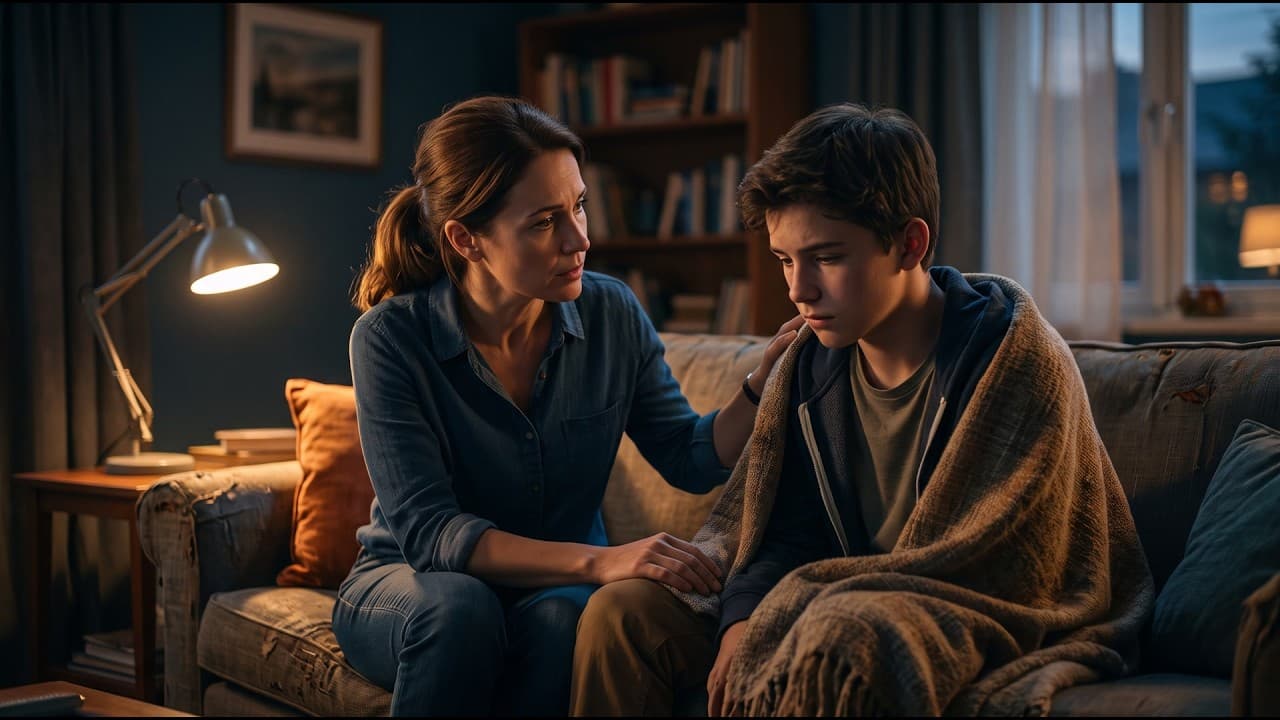
How to help a teen with severe depression?
How to help a teen with severe depression?
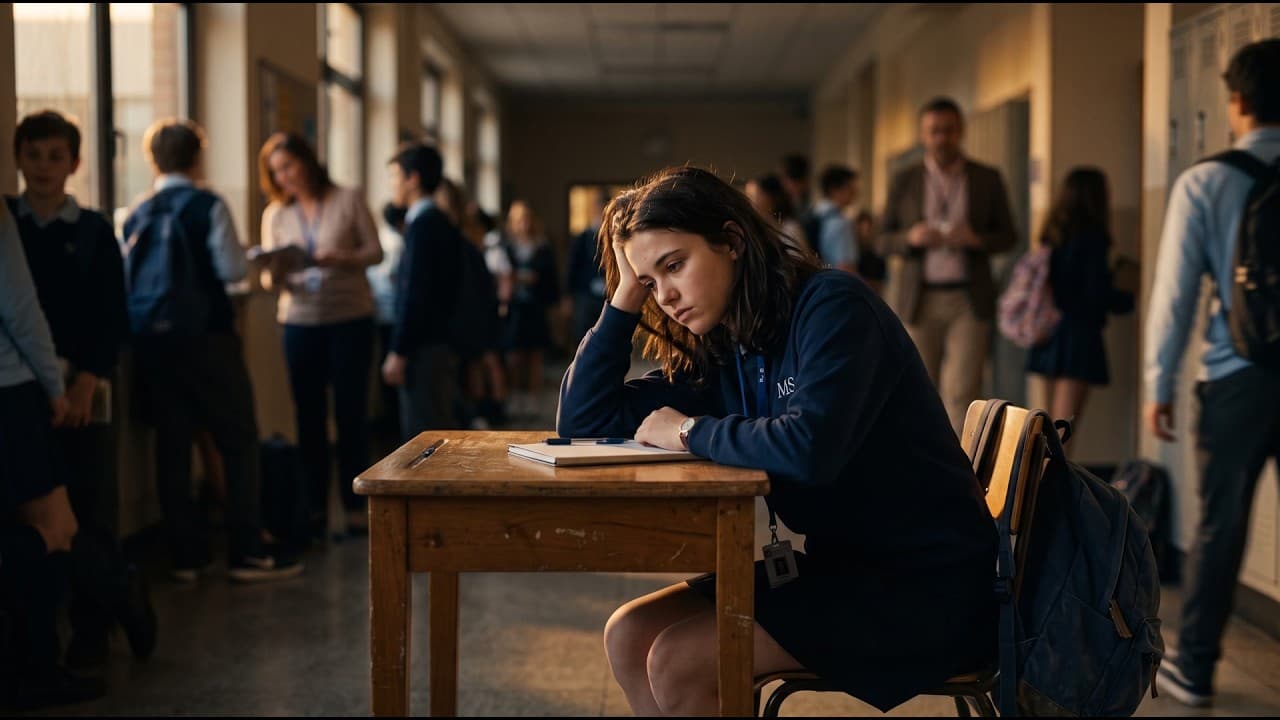
Students Raising Siblings: Signs Teachers Miss
Educators and parents: some of the most responsible kids in your building are also the most tired.
Bring this kind of support to your school
Teletherapy, onsite clinicians, live workshops, and HB-268 compliance support for K-12 districts. Book a 15-minute consultation.
Get started