
About this video
A question we get from assistant principals more than any other: what do we do when it happened online, at night, off campus?
The honest answer is that the location of the phone is not the location of the harm. A group chat at 11pm becomes a cafeteria at 11am. The building inherits it either way.
Transcript
Welcome to today's Explainer. We're diving straight into something that is literally reshaping how our schools run every single day. We're talking about managing digital harm, specifically that off-campus illusion. You know, those conflicts that spark late at night but land squarely right in your school building the very next morning. It's a massive modern crisis, but as we'll see today, there's absolutely a clear structured way through it. Let's get into it. First off, I want to validate something you probably know all too well. If you're in school admin, you are tired. And honestly, you've got every right to be. Just look at this quote. It's the number one question we hear from assistant principals everywhere. What do
we do when it happens online at night off campus? You're constantly forced to inherit these complex messy problems that you didn't create on apps you don't control during hours you're supposed to be sleeping. It feels totally impossible, right? Well, this perfectly illustrates our core philosophy here. The honest truth is the location of the phone is almost never the location of the actual harm. That toxic 11:00 p.m. group chat? Yeah, that inevitably transforms into a highly hostile 11:00 a.m. cafeteria. The tension doesn't just evaporate into the cloud. No, it walks right through your front doors the next morning. Your building inherits the fallout, no matter where that initial spark was actually lit. Section one, spotting the
hidden signs. So, how does this actually show up? These behavioral shifts can happen in a flash, and they can be super subtle, but they are absolutely giant red flags. Watch for a student whose mood just nose dives right after looking at their phone. Or maybe they suddenly start avoiding things, refusing to walk down a certain hallway, or completely skipping lunch. Another one, dropping an activity they used to love for literally no reason. And digitally, keep an eye out for social media accounts that are just abruptly deleted and totally rebuilt. Guys, these aren't just random teenage phases. They are deeply ingrained survival tactics when a kid is being targeted. And here is where it gets really
interesting because we have to look at how this affects the body. A student might start Monday with very real physical complaints. We're talking stomach aches, headaches, nausea. By Wednesday, that might evolve into physically avoiding a specific classroom. But then, watch what happens on Saturday. The weekend hits and poof, those physical symptoms completely vanish. This massive night and day contrast between school day stomach aches and totally symptom-free weekends, that's a huge indicator that the school environment itself has become a psychological trigger because of unresolved digital conflict. Section two, a protocol that works. Okay, so here's a four-step protocol that actually works on the ground. Step one, document before you confiscate. If you take that phone first,
the digital evidence just vanishes into the ether. Step two, name a trusted adult. Don't just hand the student a bureaucratic procedure, give them an actual human being they can rely on. Step three is absolutely crucial. You have to run the restorative conversation and the clinical support at the exact same time. Why? Because simply settling a conflict between two kids does not fix what a victimized student now believes about themselves. You need real clinical intervention for that internal damage. And step four? Well, let's take a closer look at step four. Check the bystanders. This step gets overlooked all the time, but it is vitally important. Because listen, the students who just watched the digital harm unfold,
the ones reading that group chat, seeing the harsh comments, watching the exclusion happen, they carry that trauma, too. They internalize this deep fear of, "Oh man, I could be next." Your protocol absolutely has to include checking on the audience, not just the primary targets. Section three, clinical support for schools. So, what happens when your internal resources are stretched to the limit? You need a macro solution. Enter Mental Space School. This is a comprehensive K-12 mental health support system built specifically for Georgia schools. Because let's be real, handing a struggling family a printed paper list of local therapists who might have an opening in 6 months, that just doesn't cut it anymore. Partnered schools can actually
connect a student to same-day teletherapy. We're talking dedicated, culturally competent, diverse therapist teams integrated right into your school. They cover the whole shebang, from crisis intervention and violence prevention all the way to family counseling and even staff wellness. It's a complete clinical ecosystem. Let's dive into some of this data, starting with an 89% improvement in attendance. But don't just see a statistic here. Think about what this really means on a human level. It represents the return of a peaceful, functioning school. It means kids who were literally terrified to walk down the hallway last week are actually showing up to class today because they finally feel supported and equipped to handle their environment. And look at
this one, a 92% reduction in anxiety. To put that into perspective, imagine the profound impact of lowering anxiety levels across your entire student body by that much. When you pair your restorative practices with actual same-day clinical teletherapy, the emotional temperature of the entire building just plummets. And you know what that means? It means educators can finally just focus on educating, which naturally leads to an 85% family satisfaction rate. This really highlights the sheer relief from parents because, let's face it, parents often feel just as helpless as administrators do when off-campus digital harm strikes. With a system like this, you aren't just putting a band-aid on a problem. You're bringing a tangible, working solution directly to
the families in your community. Now, for any of this to actually work, the logistics have to be completely seamless. Cost is always the biggest hurdle, right? Well, for Medicaid, the cost is literally $0, zero. Plus, they accept a huge range of major insurances: Blue Cross, Cigna, Aetna, Humana, United Healthcare, you name it. And for the admins out there sweating over red tape, don't worry. This is fully HIPAA and FERPA compliant. Crucially for Georgia schools, it gets you compliant with that upcoming HB268 mandate that hits in July 2026. And again, access is same day. It's just a totally seamless, financially accessible integration. So, that brings us to our final big question. When that toxic 11:00 p.m.
digital conflict crashes into your 11:00 a.m. cafeteria, and you've got a student sitting in your office in a full-blown crisis, are you going to hand them a printed list of busy therapists, or are you going to hand them a lifeline? Look, the digital world isn't going anywhere, and neither is the fallout. But, the way we support our kids, that can change today. If you're ready to rethink how your school handles this and explore a true clinical partnership, go check out mentalspaceschool.com. Thank you so much for hanging out with me for this explainer, and I'll catch you on the next one.
More videos

How to manage ADHD in a 3 year old?
How to manage ADHD in a 3 year old?
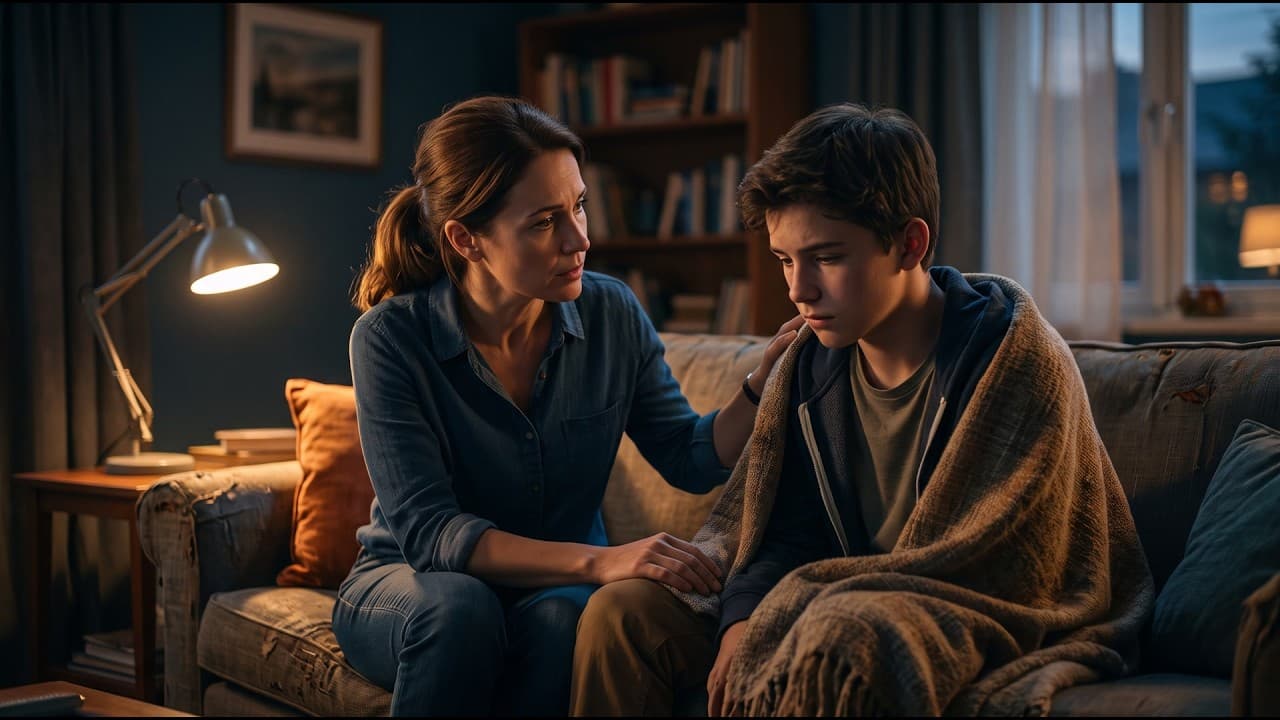
How to help a teen with severe depression?
How to help a teen with severe depression?
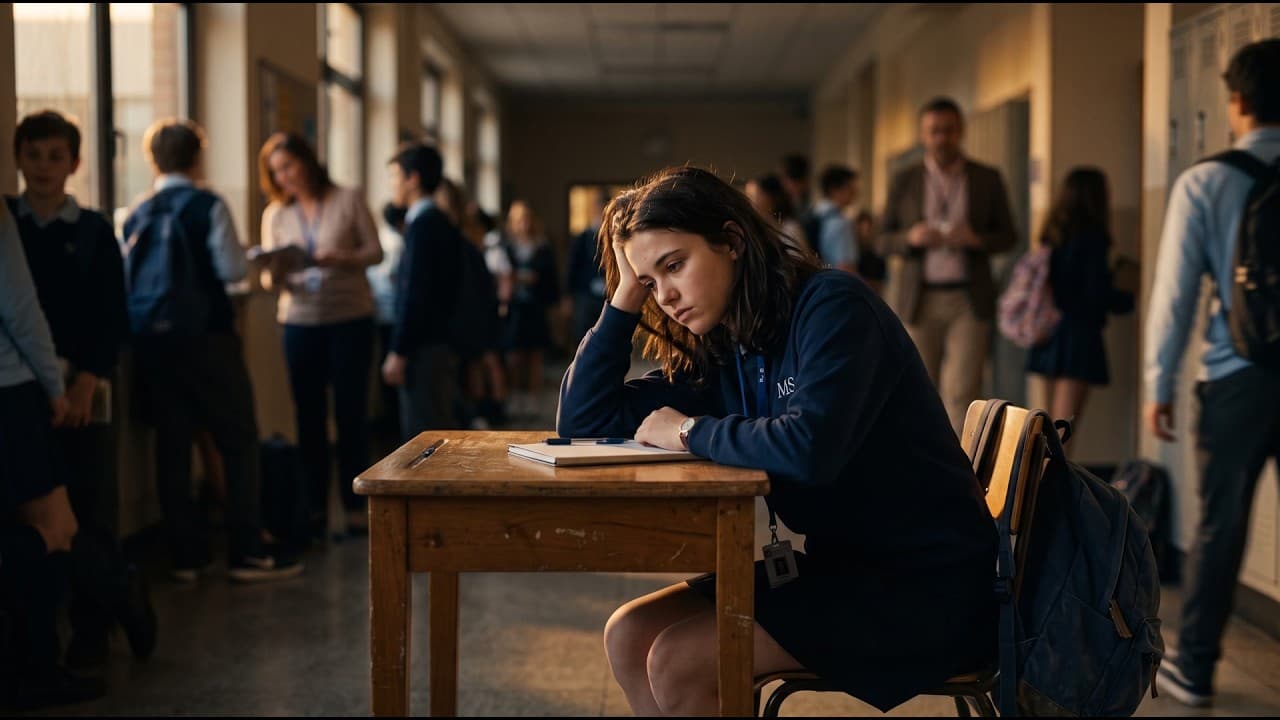
Students Raising Siblings: Signs Teachers Miss
Educators and parents: some of the most responsible kids in your building are also the most tired.
Bring this kind of support to your school
Teletherapy, onsite clinicians, live workshops, and HB-268 compliance support for K-12 districts. Book a 15-minute consultation.
Get started