
About this video
Myth: "Kids stutter because they're nervous, and they'll just grow out of it." Reality: Childhood-Onset Fluency Disorder (stuttering) is neurodevelopmental — not caused by anxiety or parenting, though the frustration and teasing can pile anxiety on top. Signs: repeating sounds or syllables, prolongi
Generated from MentalSpace School: Georgia K-12 Mental Health and Compliance Guide
#MentalSpaceSchool #SchoolMentalHealth #K12Wellness
Transcript
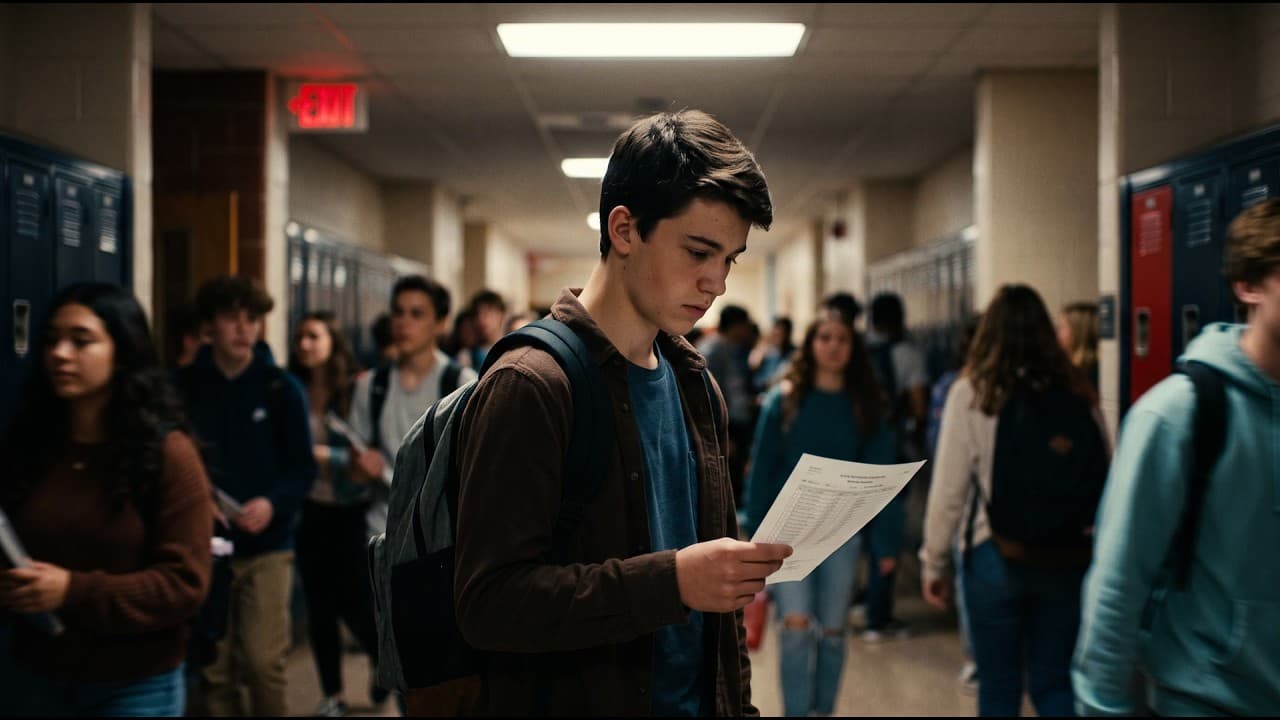
Look closely at this student's face. The jaw is locked. The eyes dart away. There is a massive amount of physical effort happening right here. All to push a single trapped syllable past the lips. When adults see this struggle, our instinct is to step in. We tell the child to take a deep breath or to slow down or worse, we jump in and finish the sentence for them. We do this because we assume the hesitation comes from fear. Society has spent decades treating stuttering as a byproduct of a nervous personality or crippling shyness. That leads directly to another popular misconception. The idea that if we can get the child to relax, the condition will resolve itself
naturally. But if stuttering isn't a nervous tick and it isn't a passing emotional phase, what is actually holding that word captive in the child's throat? Childhood onset fluency disorder is a neurodevelopmental difference in brain architecture. When execution signals for motor speech misfire, sounds stretch or syllables repeat. In severe silent blocks, the signal hits a dead stop, trapping the word and causing intense visible physical tension. These breakdowns in the motor sequence have absolutely zero connection to how a child was raised. They are not caused by trauma, by poor parenting, or lack of intelligence. This is a neurological reality. Treating it like a temporary lapse in confidence denies the child clinical support, leaving them to struggle alone.
That is quickly becomes a daily reality in the classroom. A physical speech block collides with impatient peers, creating instant social friction and teasing. This cycle weaponizes a child's environment. A speech block triggers teasing and social friction, piling severe anxiety on top of the physical condition. As pressure mounts, the child opts to stay silent, stopping participation and withdrawing entirely into avoidance behavior. What began as a highly manageable difference in neurological wiring rapidly snowballs into a severe crisis of confidence and mental health. Effective clinical intervention must target both problems at once. You must treat the physical speech block mechanics while actively dismantling the secondary crippling anxiety. The first step starts with the adults in the room. We
have to follow strict new behavioral rules when interacting with a stuttering child. Never tell them to slow down and never finish their sentences for them. From there, the true clinical baseline requires a dual approach. Early speech language therapy is critical, but it has to be paired equally with deliberate aggressive confidence building to repair the social damage. The hurdle for most families is access. Finding licensed, culturally competent professionals who can actually provide this holistic dual treatment is incredibly difficult, timeconuming, and expensive. This is exactly why mental space school was developed. It is a Georgia- based K12 platform designed to bring sameday taotherapy directly to students right where they learn. By embedding dedicated diverse teams of therapists
directly into the school environment, Mental Space School bridges the massive gap between a student's clinical necessity and their ability to actually access care. This accessibility chart shows cost barriers removed. 0 Medicaid sits alongside accepted coverage from major Georgia plans like BCBS and Peach State. Outcomes speak for themselves. Student anxiety plummets 92% while attendance rises 89%. Schools also guarantee meeting the mandatory HB268 compliance deadline. The platform treats the entire ecosystem surrounding the child. Beyond speech and anxiety support, it provides active crisis intervention, staff wellness programs, and family counseling to stabilize the home environment. When we recognize stuttering for the clinical condition it is and provide accessible support, we ensure a child's thoughts are no longer held
back by their speech mechanics. This protects their mental health and empowers their voices for life. Visit mentalspaceschool.com to learn more.
More videos

Student Athlete Mental Health: Signs
Two-a-days are underway. Something else started at the same time, and nobody's charting it.

Military-Connected Students: Mid-Year Help
How many students in your building are on their sixth school? Near a Georgia installation, the number is usually higher than staff expect.
Supporting Foster Care Students at School
Some students walk in this month having changed schools three times in two years. The roster gives you a name and nothing else, and often that's intentional.
Bring this kind of support to your school
Teletherapy, onsite clinicians, live workshops, and HB-268 compliance support for K-12 districts. Book a 15-minute consultation.
Get started