
About this video
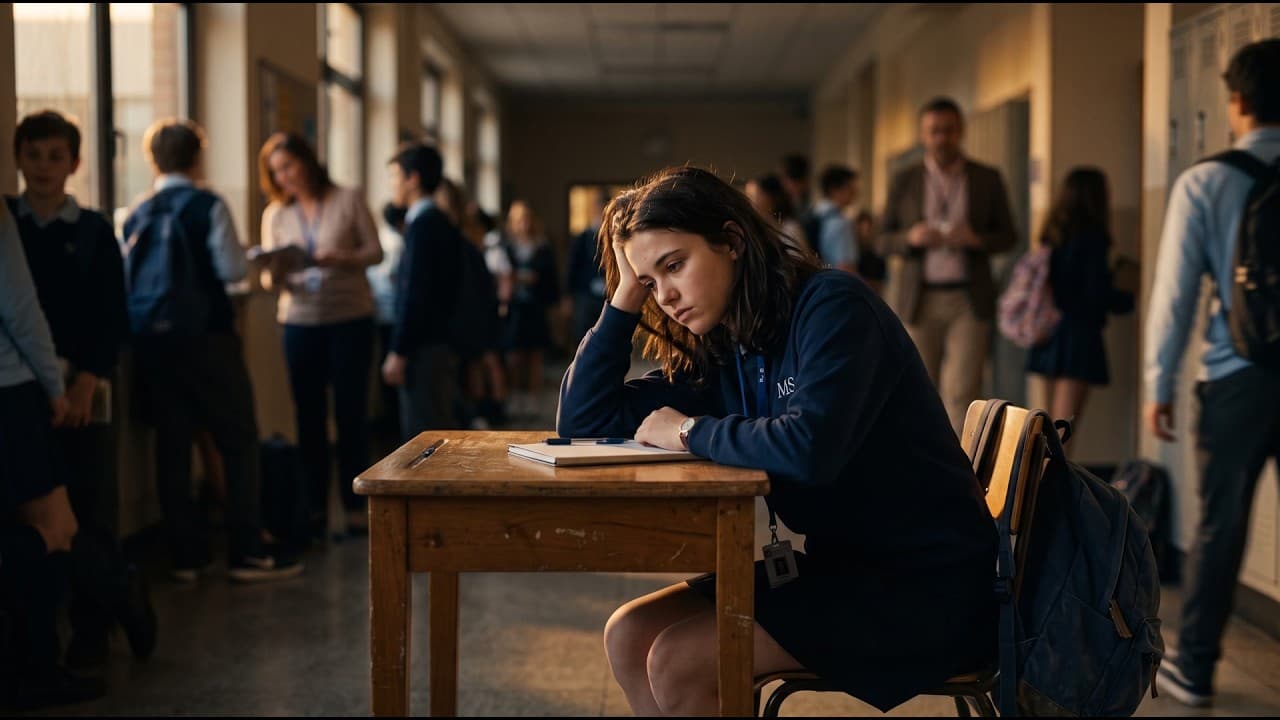
Parents and educators: when a child has frequent headaches but the doctor finds nothing physically wrong, stress may be doing the talking.
Psychophysiological (stress-related) headaches are common in kids who are carrying more than they can express. A few signs worth noticing:
• Headaches that app
Transcript
Imagine a third grader sitting in the nurse's office resting their head on the cot. It is 10 minutes before a major math test and a severe pounding headache has suddenly taken hold. This is a recurring pattern. The nurse's log shows these headaches reliably spike right before school starts, during class transitions, and before exams, often accompanied by stomach aches and profound fatigue. Worried parents do exactly what they should. They go to the pediatrician. They run blood panels, check vision, and look for neurological issues, but the results come back clean. There is no physical medical cause found. Despite the lack of a diagnosis, the student isn't faking it. The throbbing pain is entirely real, leaving them trapped
in an isolating, invisible illness that medical tests can't explain. Clinicians call this a psychopysiological response. It occurs when acute mental distress manifests directly as physical symptoms in the body. When a young child lacks the vocabulary to name their emotional stress, the body absorbs that tension and expresses it as pain. In these cases, the root of the headache isn't actually in the head. To understand this, we have to look at the nervous system. When a student faces unspoken stressors like academic pressure or social transitions, their body mounts a biological defense. If that stress remains unressed, the nervous system stays in a state of high alert. This causes sustained muscle tension in the neck and scalp, which
eventually creates recurring headaches. Fortunately, because this is a direct physiological response to stress, it is highly treatable through specific evidence-based care. Cognitive behavioral therapy and BOF feedback work as translators. They intercept raw anxiety before it triggers physical tension nodes. These sessions help children recognize the relationship between stress and symptoms, building coping strategies to stop the pain cycle. Resolving this type of pain requires a shift in strategy. Instead of traditional pain management, the focus moves toward treating the psychological root of the tension. The first step in this process is always an evaluation from a licensed clinician who can rule out underlying medical causes. But reaching that clinician is often a massive hurdle. Families face monthsl long
wait lists, high out-ofpocket costs, and a lack of school-day transportation. Knowing the cure is ineffective if the children who are suffering most cannot reach the professionals who provide the care. Addressing these barriers requires shifting care directly into the school environment, utilizing the campus as a primary healthcare delivery point. In Georgia, Mental Space School provides a direct solution by offering sameday teleotherapy to students while they are already at school. Their model assigns dedicated teams of licensed culturally competent therapists to individual schools. These teams manage everything from regular counseling sessions to immediate crisis intervention. This approach removes financial friction for families. The program accepts major commercial insuranceances like Sigma and Etna and provides care at zero cost
to students on Medicaid. The system is built for institutional scale, maintaining full HIPPA and FURPA compliance while helping schools meet the July 2026 HB26 mandate by embedding professional taotherapy into the school day. This model bypasses the logistical and financial hurdles that typically prevent families from seeking help. The results are measurable. Schools using this model see a 92% reduction in student anxiety levels. As anxiety decreases, other metrics follow. Attendance improves by 89% and 85% of families report higher satisfaction with their child's care. For the student from the beginning of our story, the impact is life-changing. Without the constant weight of unmanaged stress, those physical headaches fade away. When we provide students with the accessible space and
tools to treat their minds, we successfully heal the physical ailments of their bodies.
More videos

How to manage ADHD in a 3 year old?
How to manage ADHD in a 3 year old?

How to help a teen with severe depression?
How to help a teen with severe depression?
Students Raising Siblings: Signs Teachers Miss
Educators and parents: some of the most responsible kids in your building are also the most tired.
Bring this kind of support to your school
Teletherapy, onsite clinicians, live workshops, and HB-268 compliance support for K-12 districts. Book a 15-minute consultation.
Get started