
About this video
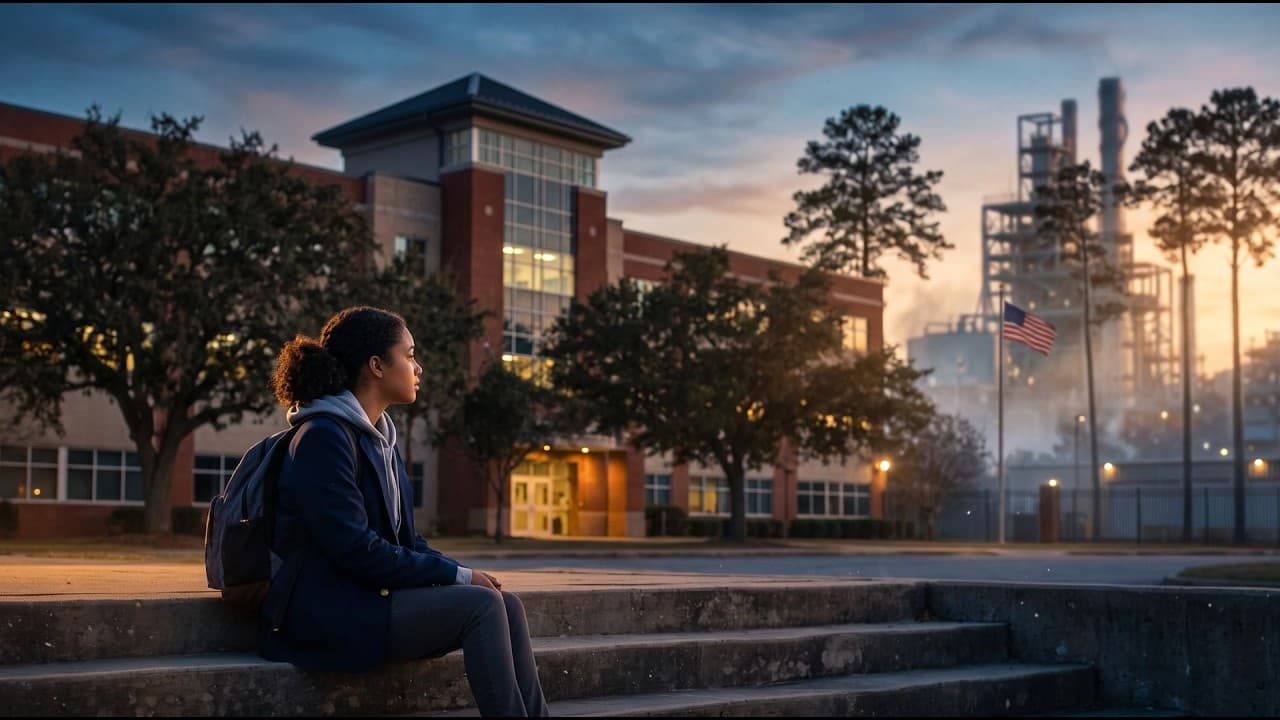
Georgia classrooms open in a matter of days — and for a lot of students, the anxiety started weeks ago.
Back-to-school anxiety rarely announces itself. It shows up as:
• Stomachaches and headaches that appear on school mornings and vanish by 10am • Sleep that falls apart in the last two weeks of s
Transcript
Georgia classrooms open in a matter of days. But for many students, the internal pressure of the new school year began building weeks ago, quietly intensifying as the summer light fades. Consider a fictional student, a composite of many we see. At 7 a.m., he sits on the edge of his bed, gripped by a stomach ache or pounding headache that seems to appear out of nowhere. Physical pain intensity peaks right before the morning bell. But if the student stays home, distress drops to zero by 10:00 a.m., this midm morning recovery often looks like a calculated performance to skip class, an assumption that frequently leads to parent child friction. The physiological truth is that the pain is a
genuine sematic response. The body's reaction to intense anticipation. While a formal diagnosis is only made by a licensed clinician, the distress is real, triggered by the brain's attempt to signal a threat. During these final days of summer, anxiety appears as fragmented sleep. It shows up as clinginess or sudden explosive irritability. Even high achieving students might abruptly claim they no longer care about their grades or their future. Back to school anxiety rarely uses words to explain itself. Instead, it weaponizes the body, forcing an avoidance response before the first bell ever rings. That internal distress manifests differently as a child grows. As the underlying fear shifts to match their development, younger children primarily fixate on separation, the
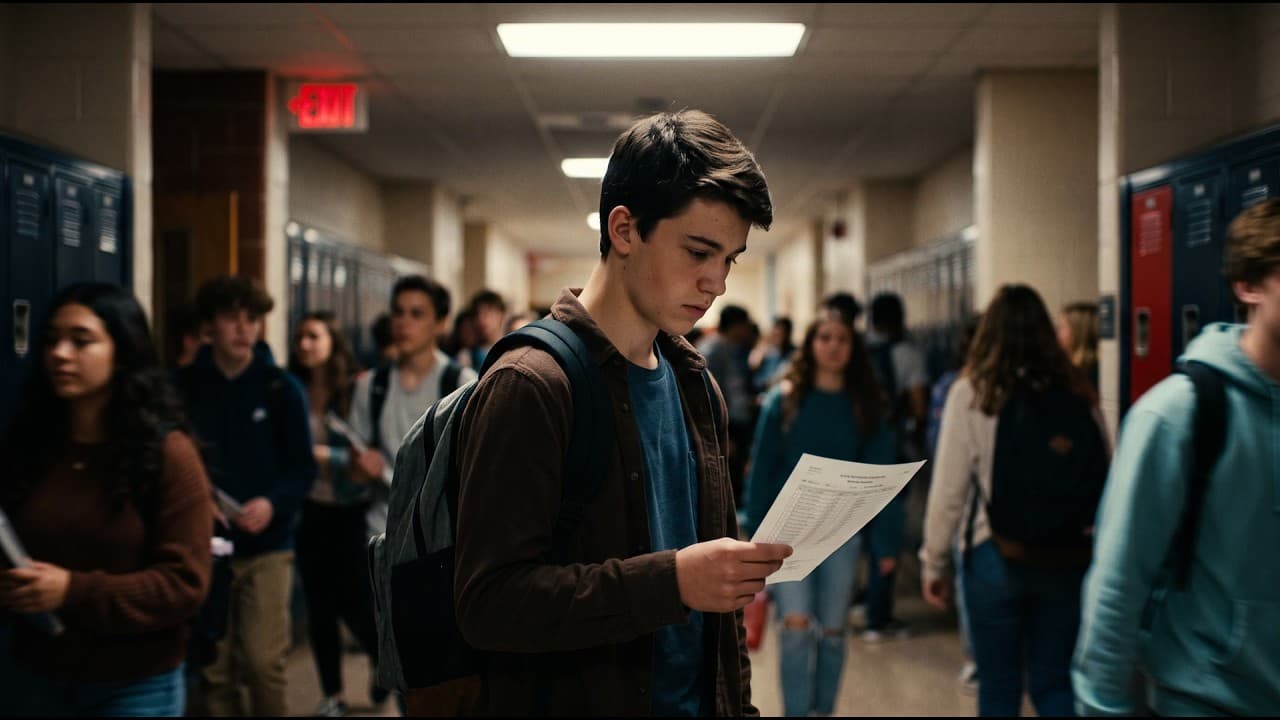
fear of leaving a parent. By middle and high school, that fear mutates into a paralysis fueled by social hierarchies and the pressure to perform. Statistical risk for severe anxiety clusters around major transitions, rising sixth graders, 9th graders, and students entering a new building. A blinking threshold separates normal jitters from a developing crisis. Symptoms persisting beyond 2 weeks or causing missed days require a closer look. Identifying these specific vulnerability windows prevents a developing crisis from being mistaken for a temporary phase within the home. Natural loving reactions can inadvertently provide the oxygen that keeps this anxiety burning. Common missteps include avoiding the topic to prevent distress, promising that every day will be perfect or accommodating the fear
by letting the child stay home just for today. This creates a neurological trap called the avoidance loop. When staying home follows an anxiety trigger, the brain learns that avoidance equals safety. The temporary relief reinforces the behavior, ensuring the fear of the school building grows more intense the following morning. Breaking this loop requires proactive steps before the first day. Starting predictable morning routines early, visiting the school building to normalize the environment, and naming the worry out loud rather than dismissing it. Dismantling the avoidance loop at home provides the foundation, but the school system must be structurally ready to support the student the moment they walk through the door. At the district level, waiting until October to
identify struggling students creates a severe operational risk. By the time a student is consistently missing days, the intervention required is massively intensive and the damage to district attendance data is already done. The first 3 weeks of school are the critical window to identify avoidance behaviors before they harden into total school refusal. Mental space school provides a proactive infrastructure to capture students within this early window. Instead of a reactive scramble after a crisis, Georgia districts can have a dedicated clinical team systematically integrated into each school from day one. This model grants students sameday taotherapy access to culturally competent licensed therapists, ensuring that urgent needs are met without the typical barriers or wait times. The partnership is
built for operational efficiency. It is fully HIPPA and FURPA compliant with in network coverage for all major Georgia insurers and Medicaid build at $0 to families. Back to school anxiety is indeed a reality of growing up, but it doesn't have to dictate a student's future. Early identification and proactive clinical support ensure a difficult morning never devolves into a lost semester. To learn more today, visit mentalchool.com.
More videos

Student Athlete Mental Health: Signs
Two-a-days are underway. Something else started at the same time, and nobody's charting it.
Military-Connected Students: Mid-Year Help
How many students in your building are on their sixth school? Near a Georgia installation, the number is usually higher than staff expect.
Supporting Foster Care Students at School
Some students walk in this month having changed schools three times in two years. The roster gives you a name and nothing else, and often that's intentional.
Bring this kind of support to your school
Teletherapy, onsite clinicians, live workshops, and HB-268 compliance support for K-12 districts. Book a 15-minute consultation.
Get started